A small studio. Same two designers from first call to handover.
Estudio Velvetgriddesign · Ceuta, since 2021.
There are four of us in the studio — three senior designers and one producer. We are based in Ceuta, a Spanish city on the African coast, and we have been working together as a studio since 2021. This page is a long answer to the short question of who you would be working with if you sent us a brief.
We started Velvetgriddesign in 2021 because we wanted to work the way we had been promising clients we worked for ten years before that. Small studio. Senior people on every brief. Written prices. Two routes, not seventeen. Most of the design industry talks this language; very few studios are organised to deliver on it. We organised ours to deliver on it.
The studio works on roughly eighteen to twenty-four engagements per year. About a third of those are identity systems. Another third are websites — landing pages, five-page editorial sites, and the occasional larger build. The remaining third splits between design systems for product teams, art direction sprints for in-house creative teams, and the small ongoing work that previous clients book through the hourly packs.
We do not have a sales team. We do not run ads. Almost all of our work arrives through writing — the journal on this site, conversations on are.na, a quarterly studio letter that goes to two thousand and something subscribers. The decline rate on inbound briefs sits around sixty-four percent and has not moved much in three years. The work that we do say yes to tends to be work that we are excited about. This is the whole arrangement.
The choice to live and work in Ceuta is not entirely incidental to the design we make. Ceuta sits at the meeting point of two seas, two continents, and two design traditions. The light is whiter than Barcelona, harder than Tangier, and softer than the Andalusian sun across the strait. The palette of our work has, almost unconsciously, taken on the colour of where we live. We did not move here to make a point about colour; we moved here for boring reasons (rent, family) and the work has been quietly changed by the move in ways we did not anticipate.
Four people. Same four people, on every project.
We do not outsource and we do not subcontract. If your engagement says Inés and Noor on the letter, those are the two people who do the work — start to finish.

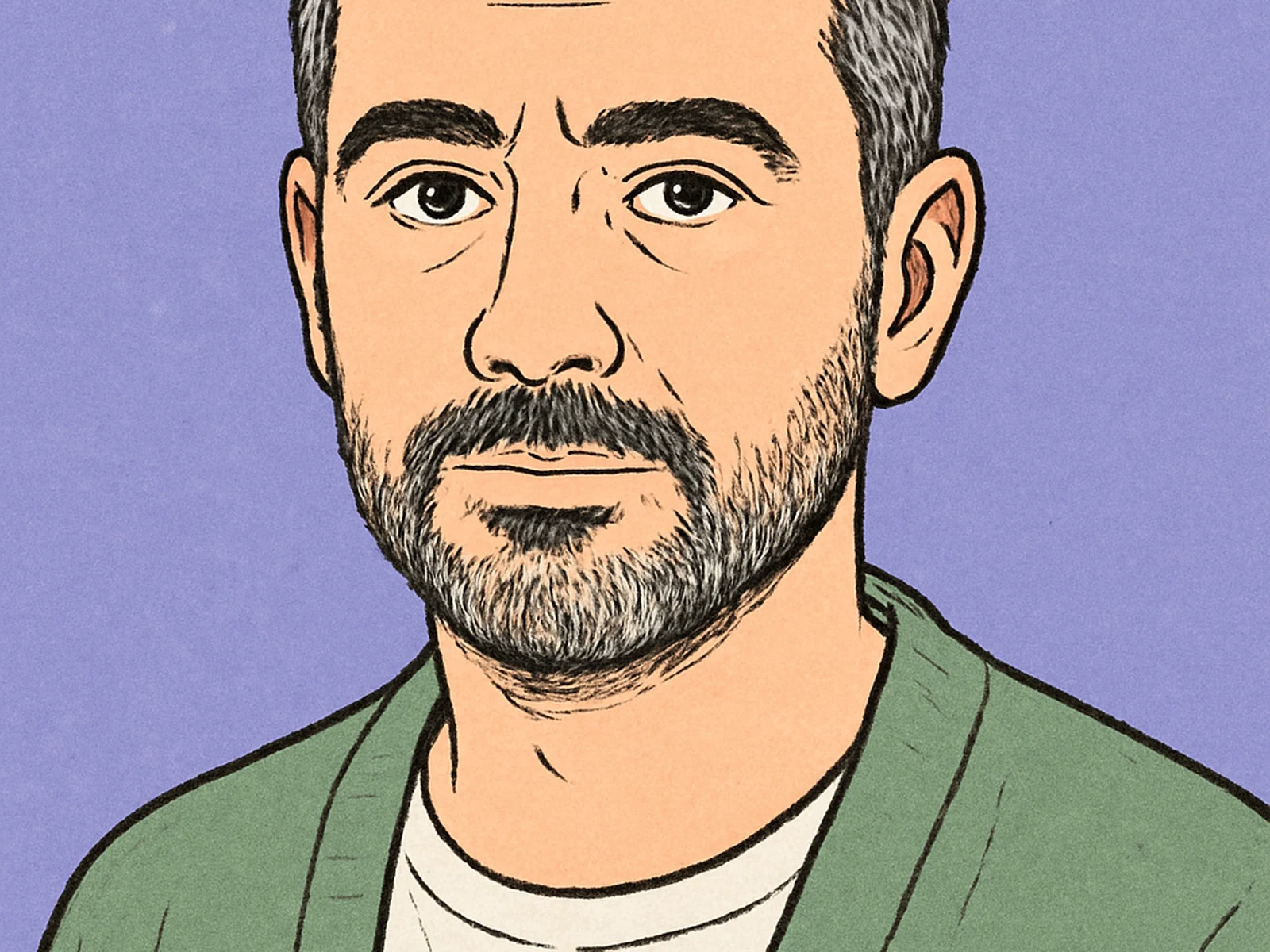
Inés Caamaño
Twelve years art-directing identity and digital work for Iberian and European clients. Trained at EINA Barcelona. Believes that most brand problems are diagnosis problems, not design problems.
Tomás Vidal
Came to the studio from a Barcelona type foundry. Quietly competitive about kerning. Leads the identity and brand book engagements.
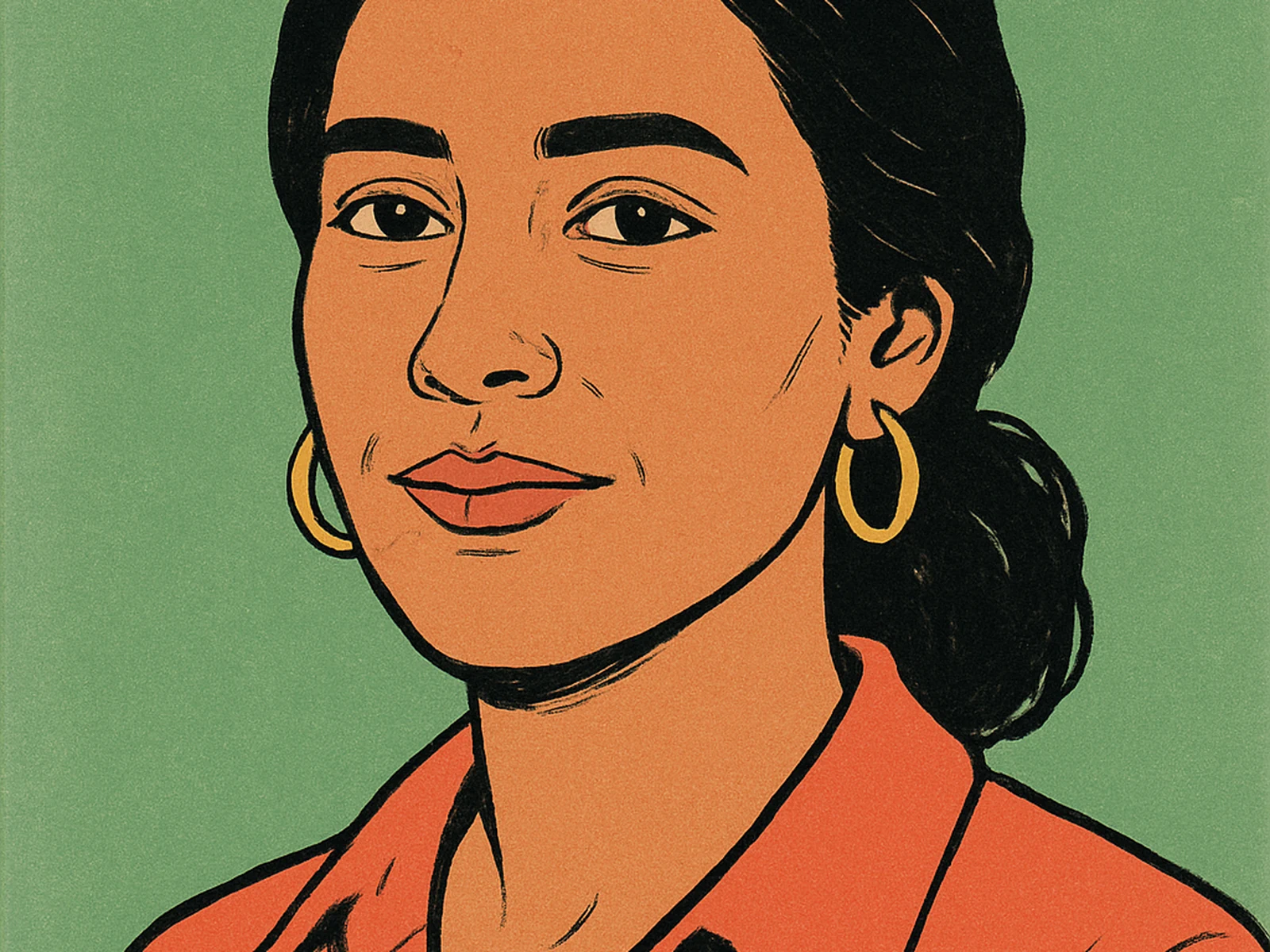
Noor el-Bakri
A web designer who can build what she draws. Leads website design and the static build engagements. Reads the source before she opens Figma.
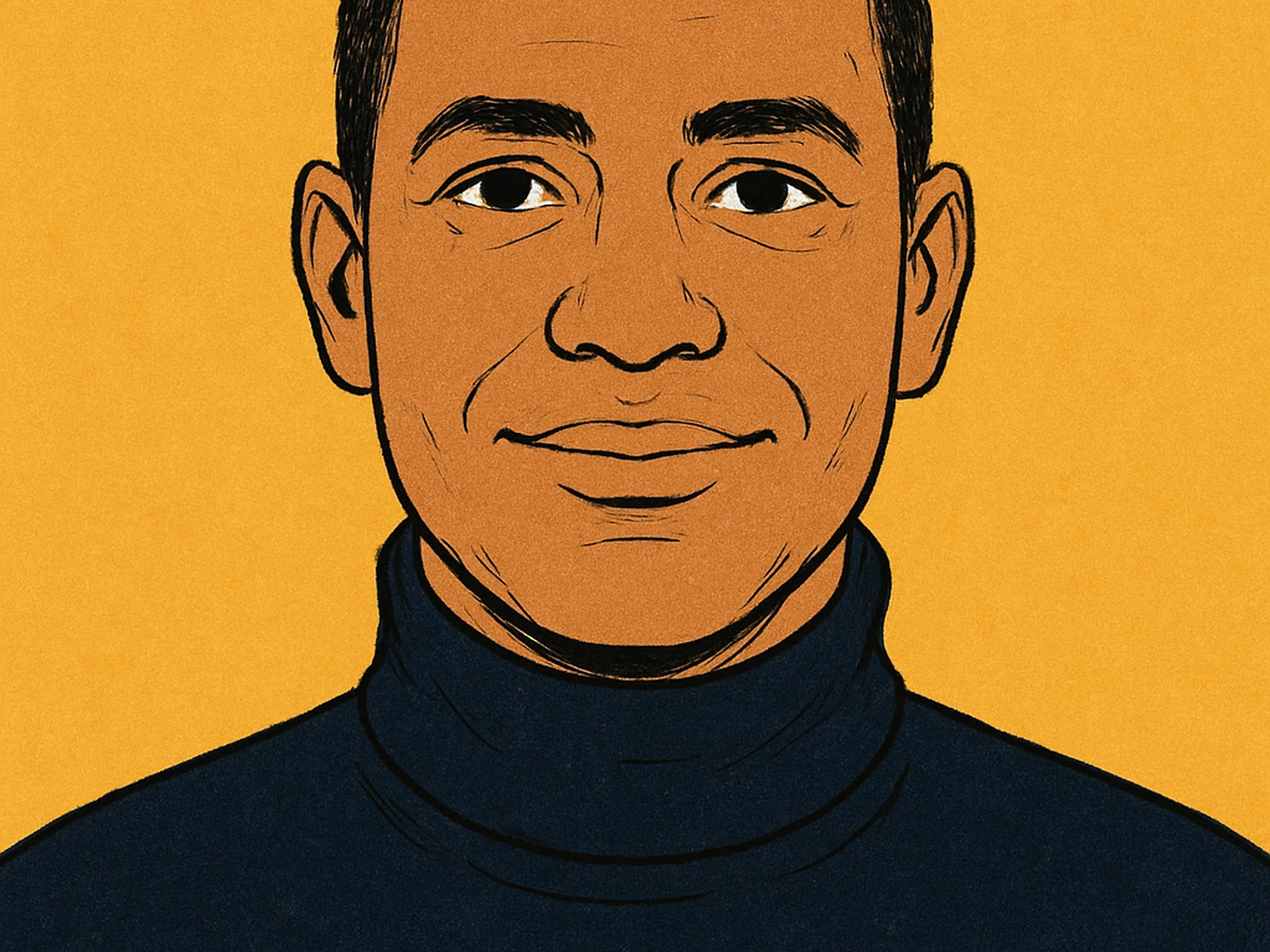
Marcus Holt
Keeps the schedule, scope, and change requests in line. First person you meet, last person you hear from at handover.
Six things we keep coming back to.
Not a manifesto. The six small operating rules that we have been writing in the contracts in some form since 2021, and have not had to change since.
-
№ 01
A brief before a sketch.
No file opens before the brief is written down and agreed. Skipping this step is how good design dies in revisions.
-
№ 02
Read everything first.
Before we draw a single shape we read every screen of your current product, every press release, every job description. Reading is half the work.
-
№ 03
Design the boring half.
Empty states, error states, the receipt, the unsubscribe page. The boring half is where most brands die. We treat it as part of the work.
-
№ 04
Two routes, not seventeen.
We bring two distinct, fully thought-out routes — not a Pinterest board of options. Choice paralysis is not a feature.
-
№ 05
Build-ready or it didn't ship.
Every design lands in a build-ready file with notes for the developer. Whether you build it with us or with someone else, we hand off cleanly.
-
№ 06
Say no for the right reasons.
A brief that is not right, a route that is not honest, a deadline that hurts the work. Saying no is the cheapest way we know to protect both sides of the table.
Work with us? Tell us about the brief.
A short paragraph is fine to start. We reply in writing within two working days — including when we say no.